Task
Transfer surveillance of a retail facility from manual mode into a measurable digital process.
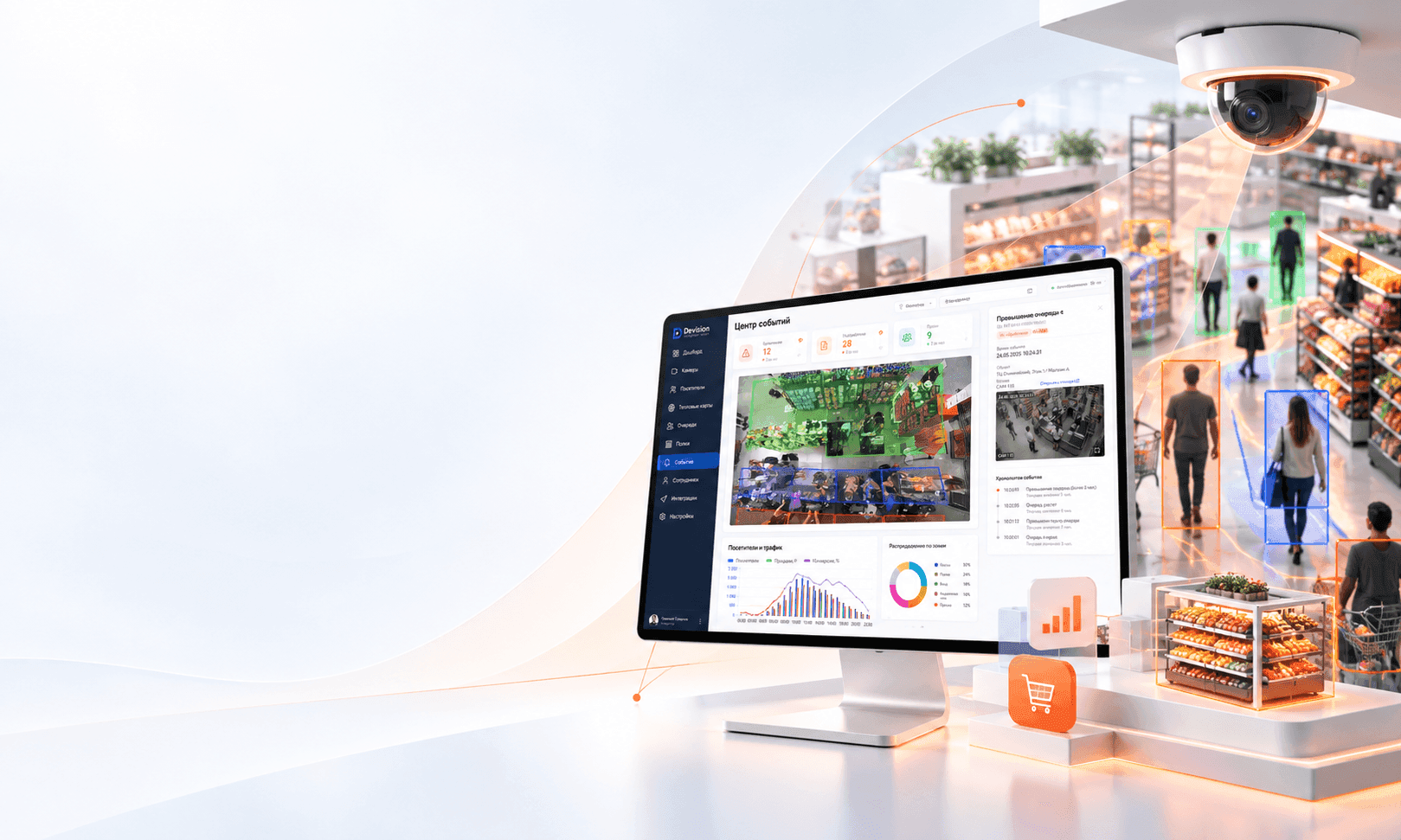
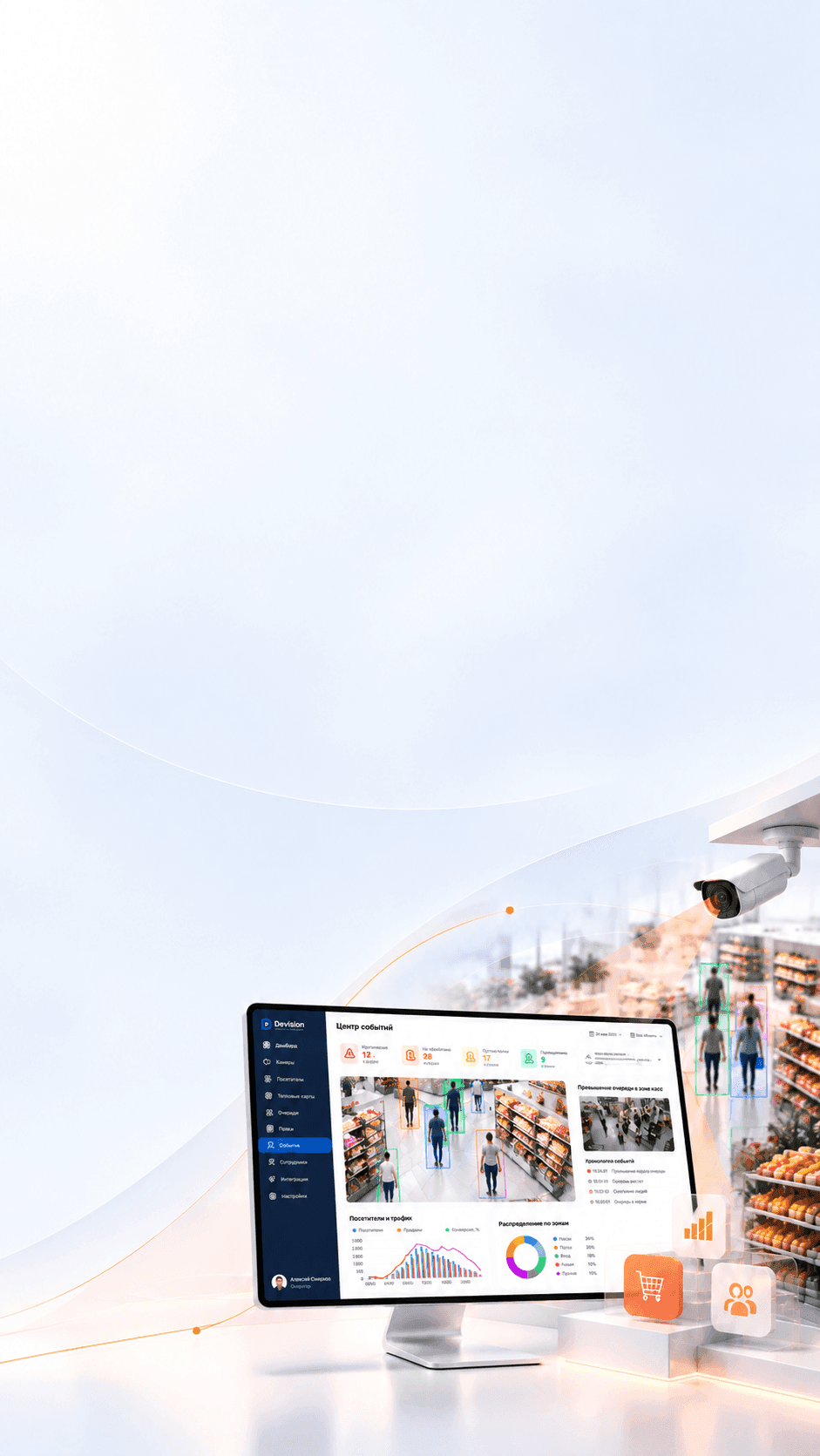
Automated control of traffic, activity zones, queues, display of goods and personnel events with POS/ERP integration
System of automated video monitoring and analytics of retail spaces. She turns video stream from IP cameras into structured events, metrics and notifications for operational management.
Transfer surveillance of a retail facility from manual mode into a measurable digital process.
Designed the Computer Vision circuit, server room analytics, event archive and integration
Supermarkets, shopping centers, markets, wholesale centers and flagship stores.
Flows, zones, queues, shelves and staff events controlled in a single system.
In retail facilities, cameras are usually used to monitor and analyze what has already happened. incidents. This approach does not allow us to systematically measure customer flow, display quality, queues and operation of zones during the day.
Tell us about the project — we will break down the task and propose an implementation approach.
The work covered analytics of trading scenarios, setting up zones and events, processing video streams, server circuit, integrations and control tools.
Defined retail objectives, roles, indicators and priority events
We took into account placement, viewing angles, control zones and API capabilities.
Configured detection, tracking, counting, zones and event rules
Provided local processing and reduced load on the server.
We prepared an API outline for cameras, POS, ERP and BI tools.
The video is processed locally or on the server. Not only frames are transmitted to the system, but also structured events that are stored, analyzed and combined with accounting data systems
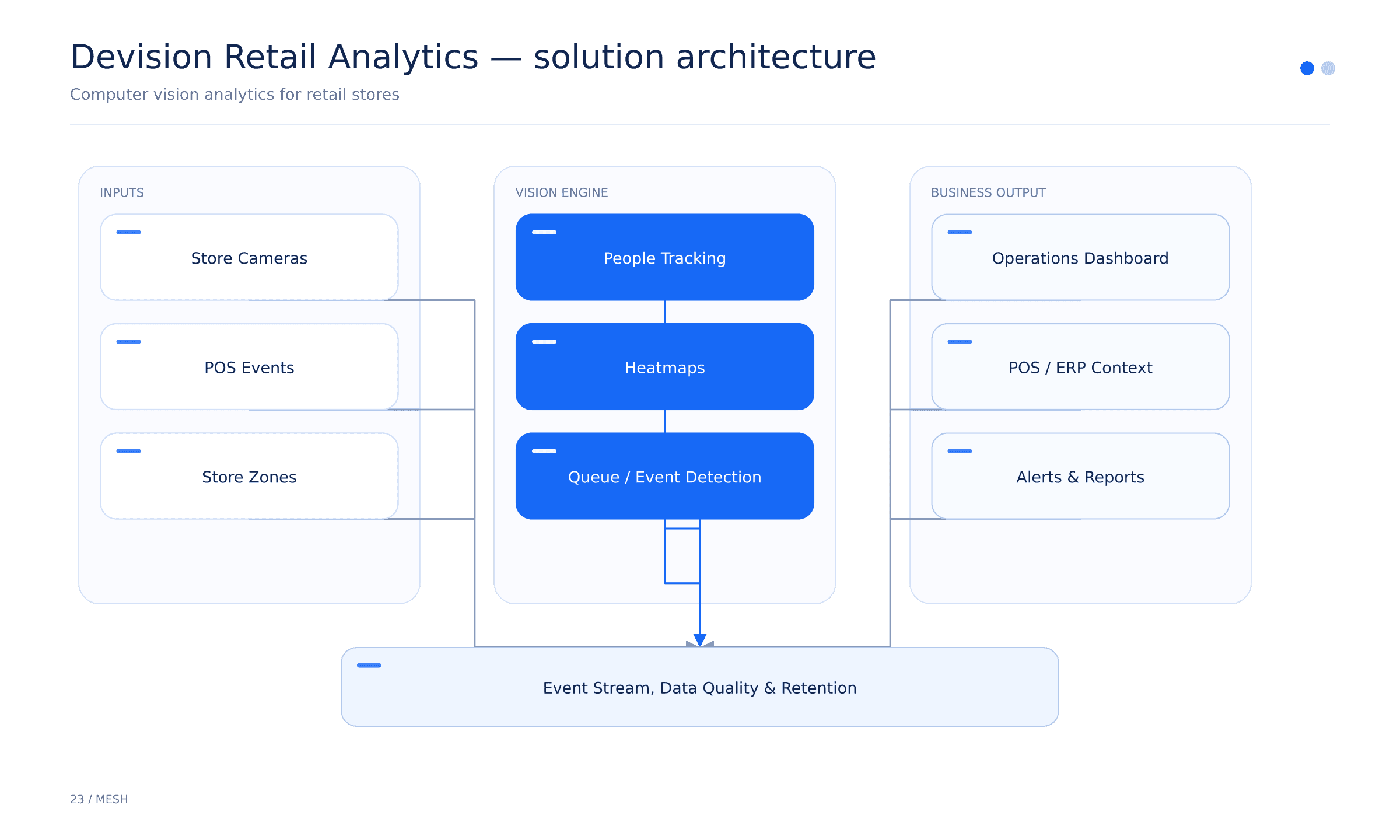
We will show how to connect interfaces, business logic, data and external systems.
Six functional areas cover visitor analytics and control of the retail space
Detailing by time, inputs, outputs and separate passage points.
Traffic routes and areas of greatest activity buyers.
Identification of empty zones and deviations from the specified planograms.
Fixing the length and time of waiting with notifications according to the rules
Faces and roles Controlled identification scenarios employees and allowed profiles.
Archive, filters, API and data mapping POS/ERP.
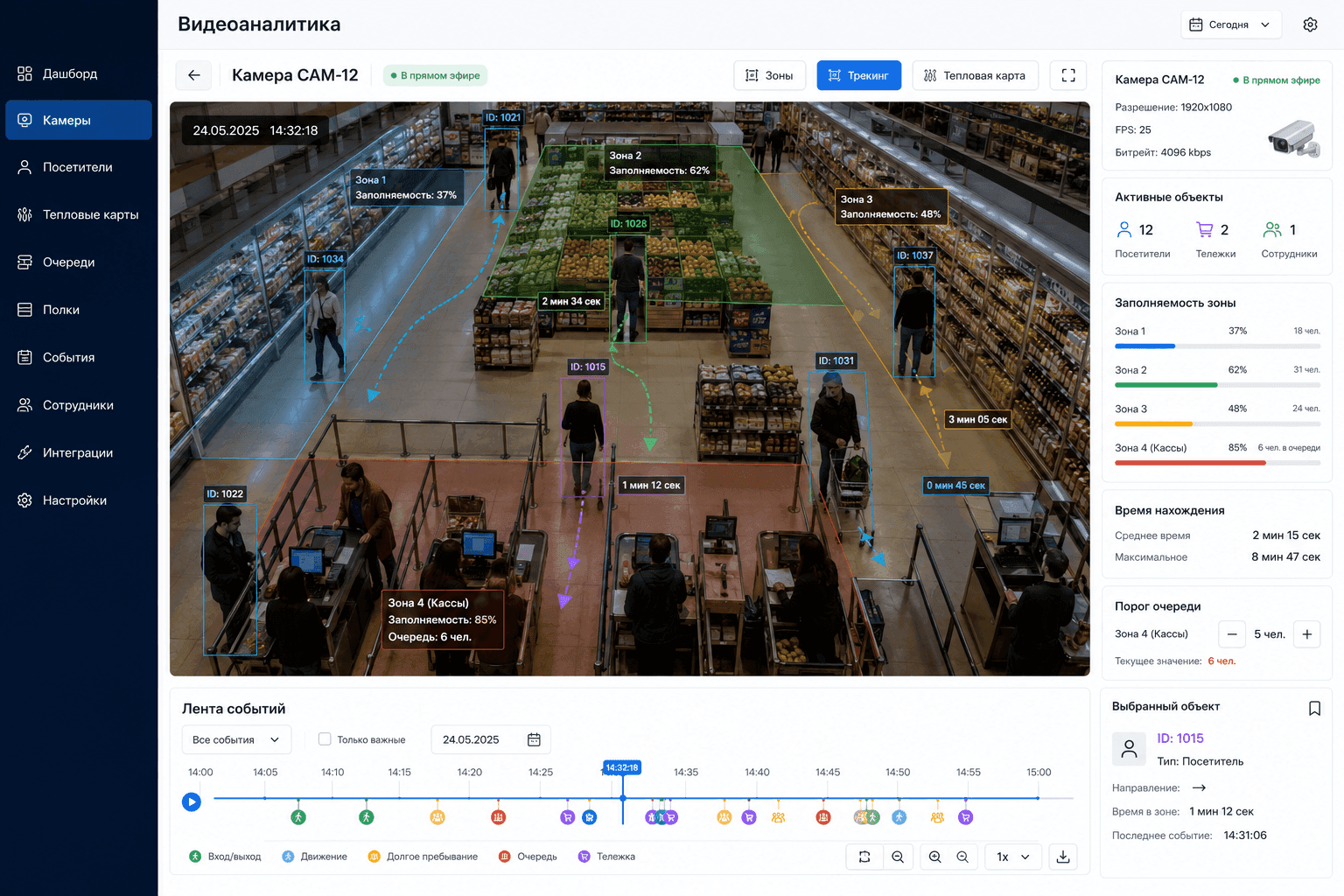
The system selects controlled areas, assigns identifiers to objects and records movement of people between zones of the retail space.
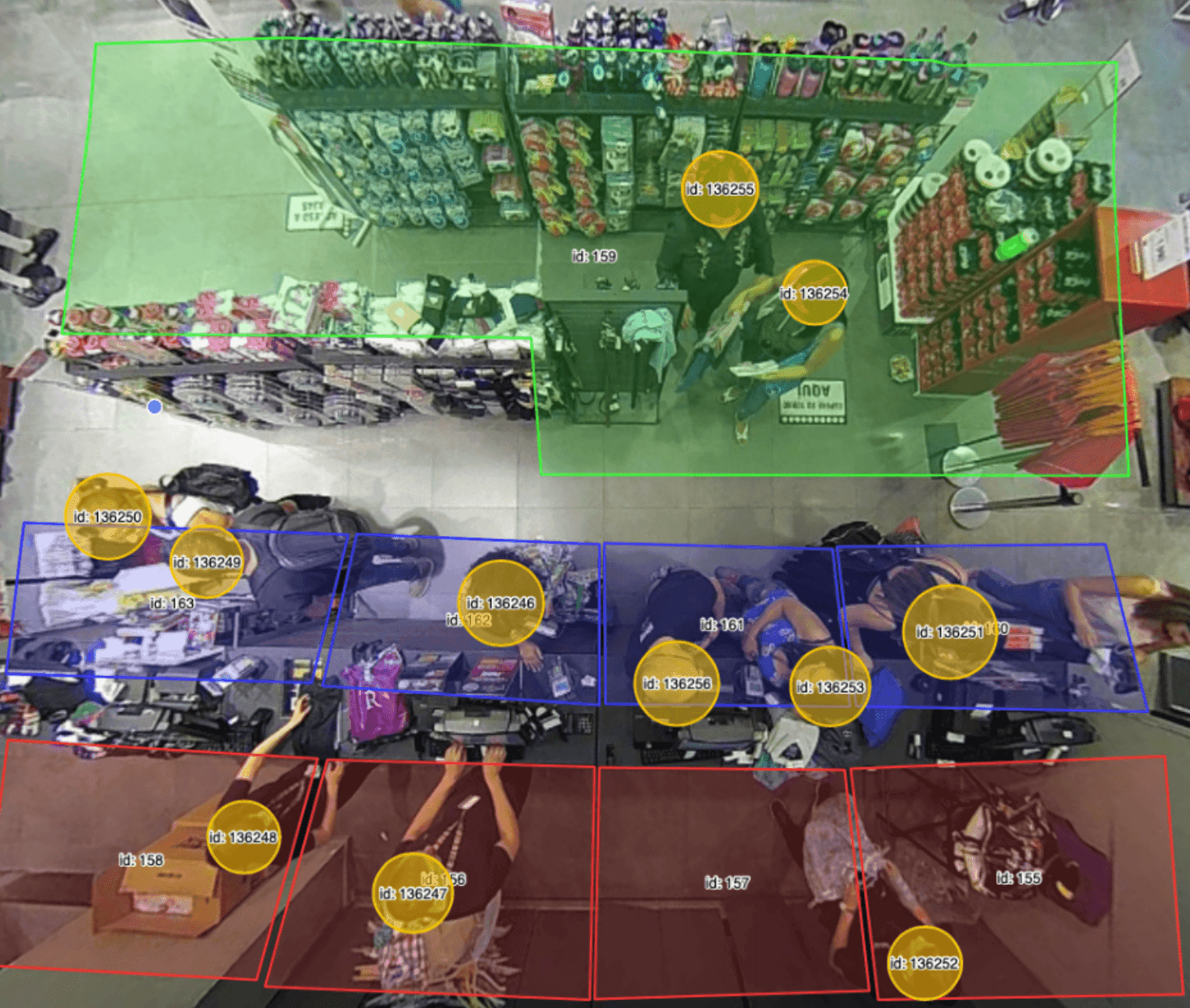
In markets and wholesale sites, the algorithm can work with a large number of individual trading locations, recording activity for each selected zone
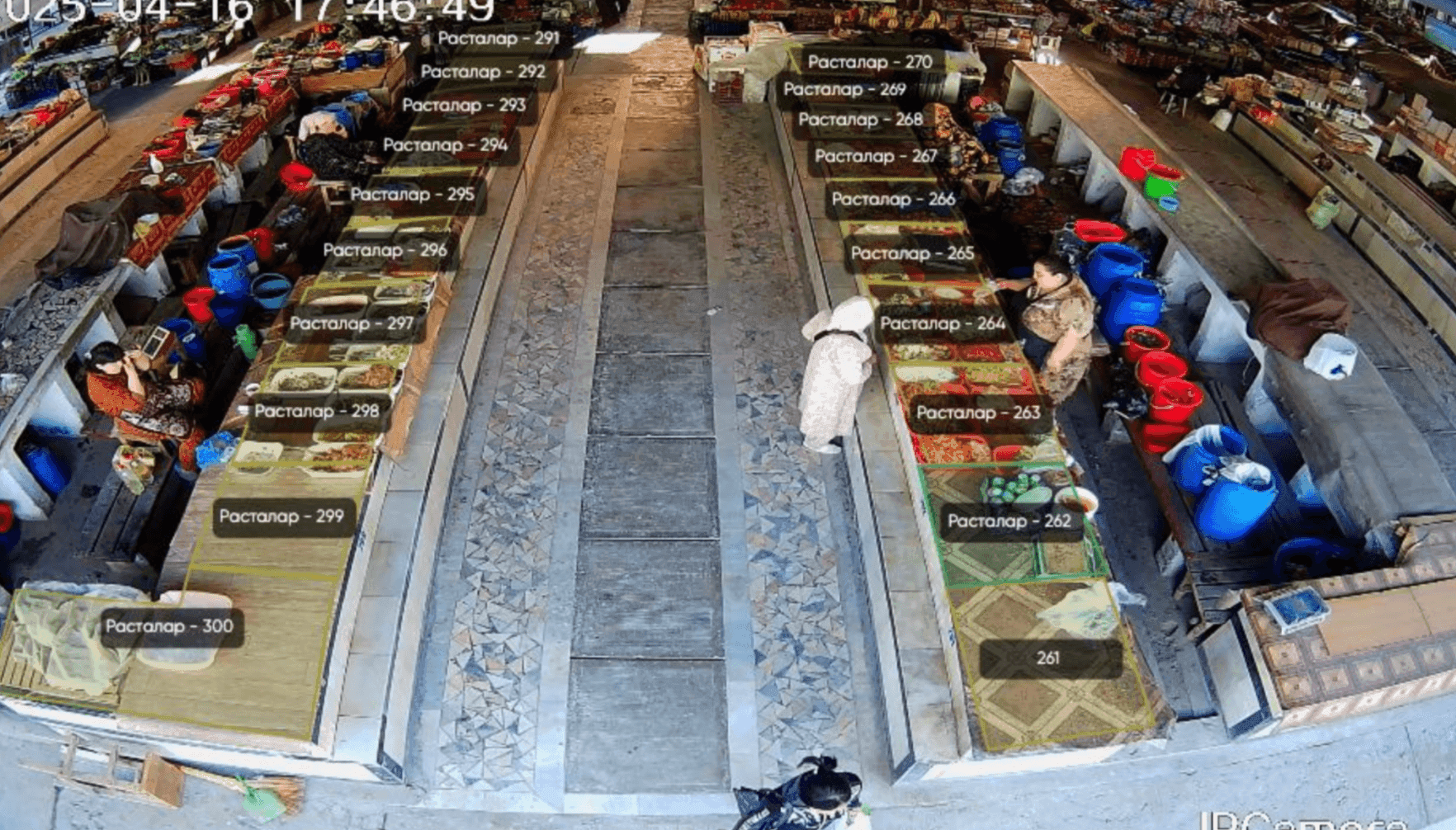
The heat map shows which areas receive more attention and where empty or congested areas. This helps evaluate display, navigation and promotional placement
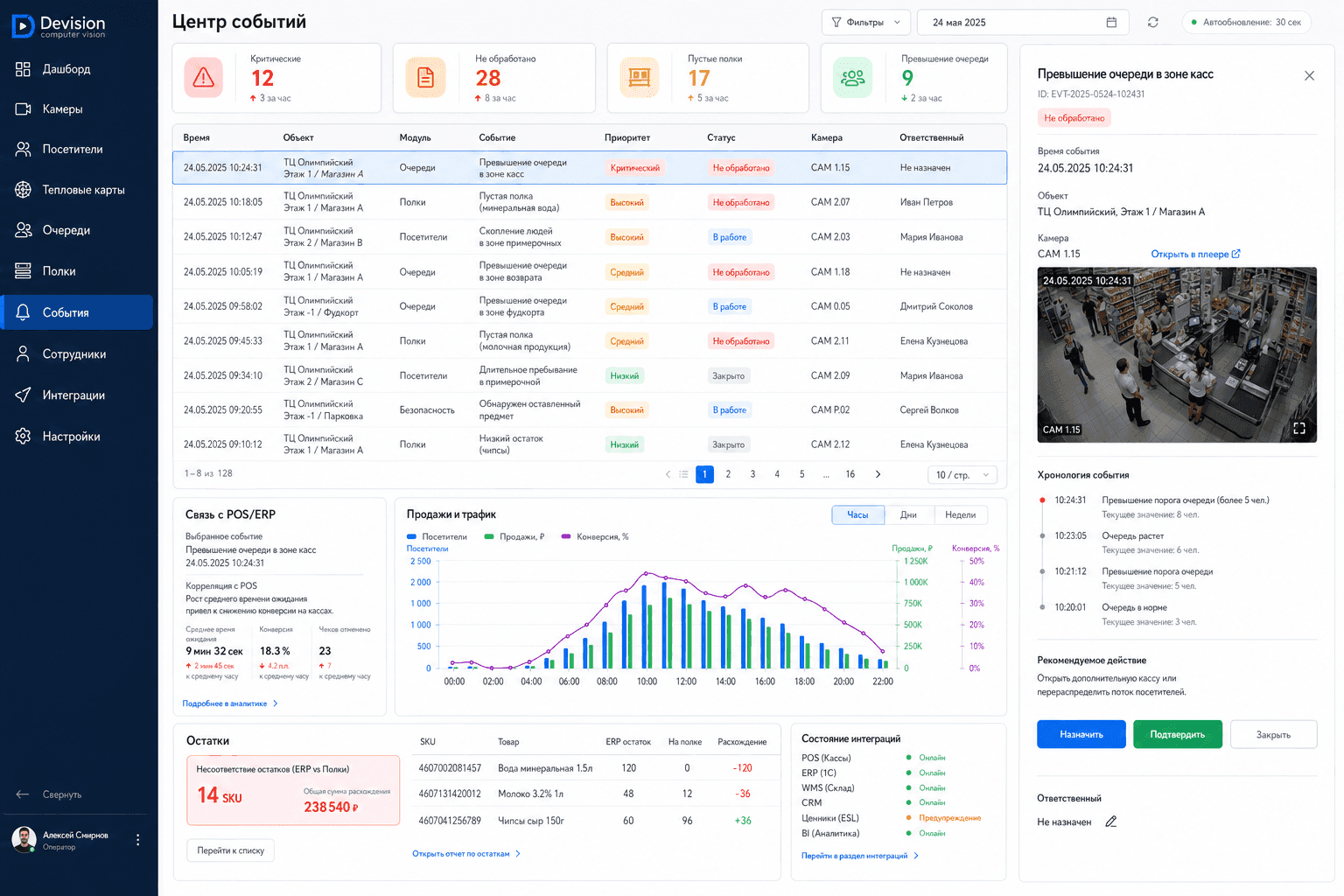
Events are recorded with type, time, object, camera and status. Filters help you find quickly queue, empty shelf, reject or access event
Defining goals, studying the audience, forming requirements and setting tasks. This helps to understand what the business needs and what results are expected.
Creating the solution architecture, thinking through user scenarios, interfaces and logic. At this stage the 'framework' of the future product is formed.
Programming the server and client parts, connecting databases, integrating with external services. This is where the idea turns into a working product.
Checking functionality, performance, compatibility and security. Fixing bugs before the product reaches users.
Deploying the product (for example, publishing in stores or launching on servers), configuring the environment and starting marketing or internal processes.
Updating functionality, adapting to new business tasks, fixing bugs and keeping the product up-to-date.
The result of Division is a transition from passive video surveillance to a system that regularly measures processes, identifies deviations and links events to business data
 01
01 02
02 03
03 04
04 05
05 06
06 07
07 08
08 09
09 10
10 11
11 12
12 13
13 14
14 15
15 16
16 17
17 18
18 19
19We build enterprise solutions using a powerful, proven, and
versatile tech stack designed for performance, scalability, and
security. Our expertise spans



















We will propose a suitable structure and prepare the first sketch of your future project — with no obligation to start development.
You get a visual concept you can discuss with your team.

He will review your project and business objective, prepare recommendations and the first sketch.
An honest conclusion.If the solution can be improved without a full rebuild, we will tell you so.