Клиент и бизнес
A large home appliance manufacturing company needs to train new employees to assemble refrigerators.
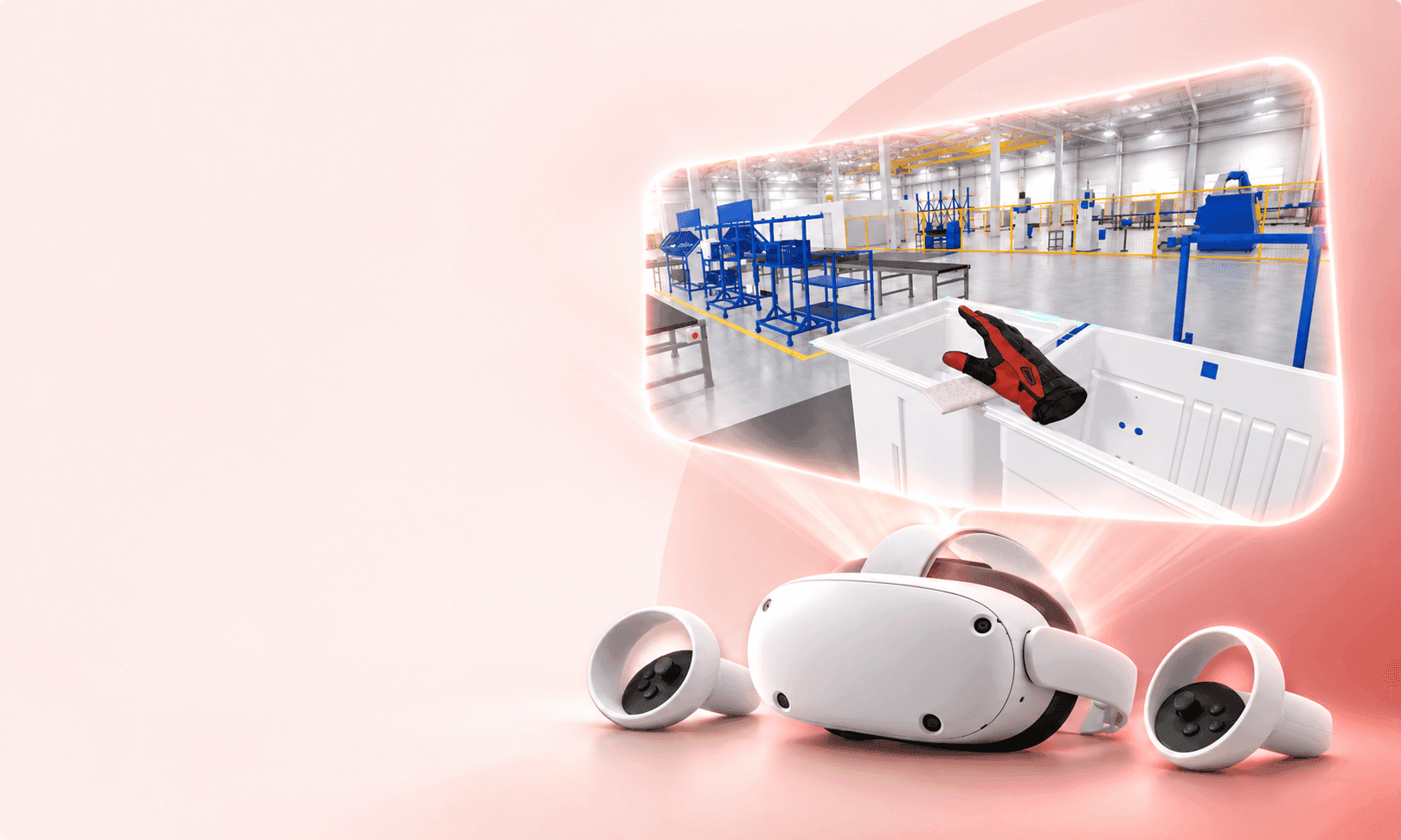
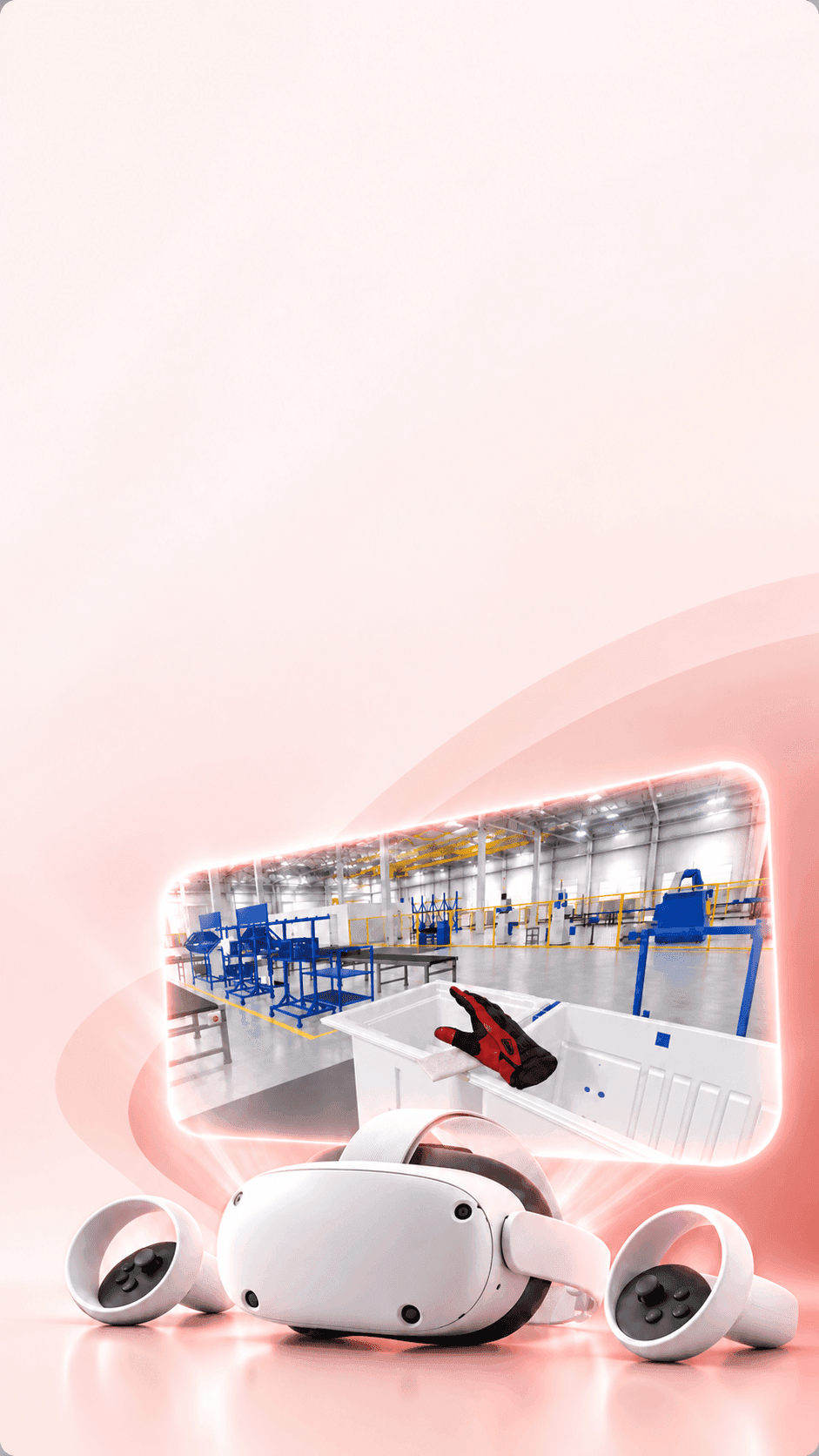
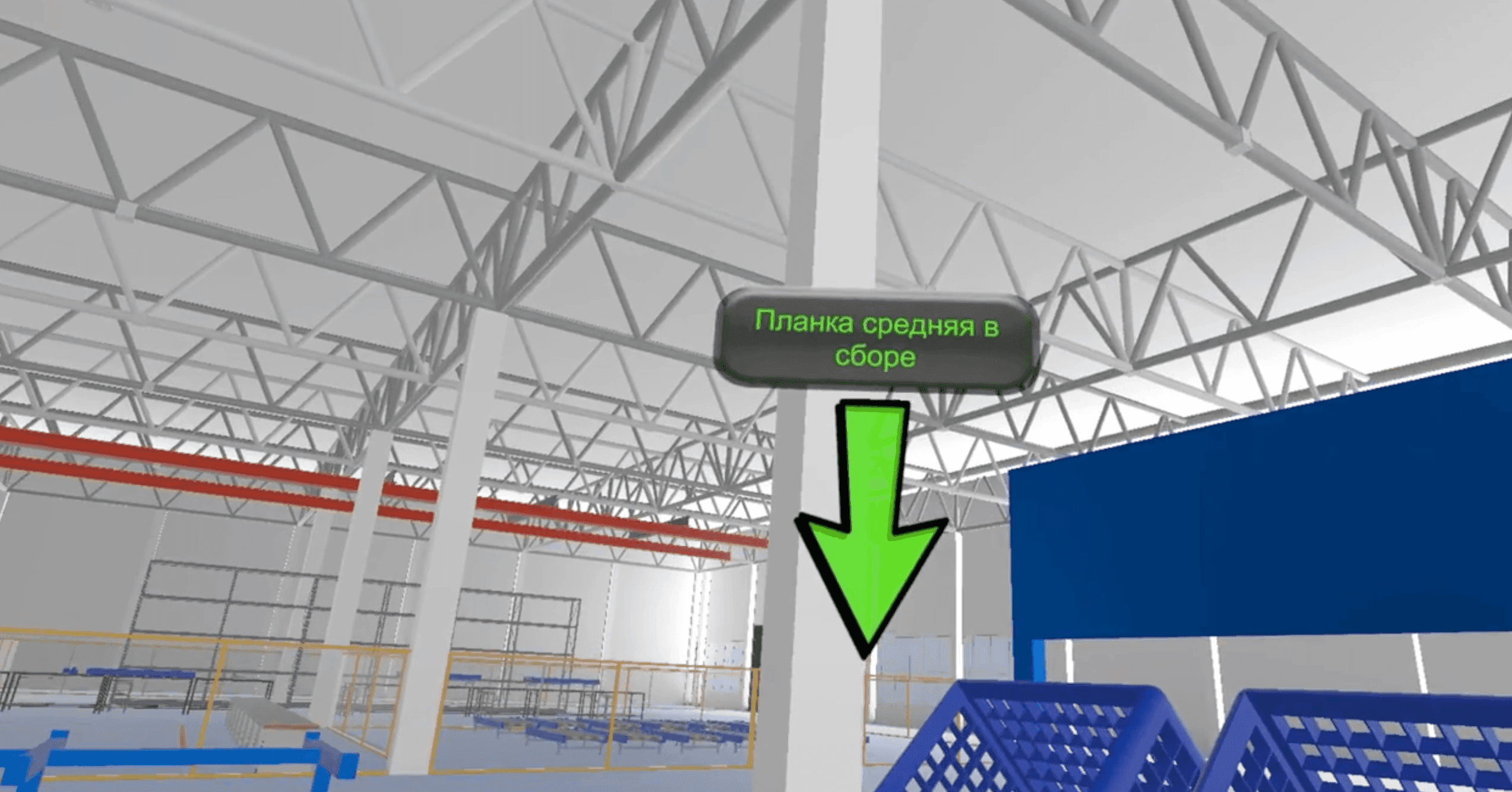
We developed a VR simulation for step-by-step training of employees on assembling refrigerators of various models and brands.
Training a new employee to fully assemble a refrigerator on a real production line takes time. VR simulation allows for a step-by-step review of the entire assembly process and the repetition of individual steps until they are fully understood.
A large home appliance manufacturing company needs to train new employees to assemble refrigerators.
Reduce the complexity of training new employees and provide them with a clear step-by-step guide to assembling different refrigerator models.
We created a detailed VR simulation of the complete refrigerator assembly process and added step-by-step training scenarios for different models and brands.
An employee can study the assembly process in VR step by step and repeat the necessary steps without constantly using real production equipment.
Tell us about the project — we will break down the task and propose an implementation approach.
Simulation of the assembly process, creation of VR scenarios, step-by-step training, and preparation of a solution for the HTC Vive Pro.
We identified the main problem: the lengthy training required for employees to fully assemble a refrigerator in a real production environment.
We divided the assembly into sequential training stages that the user goes through within the VR scenario.
We designed the assembly procedure and user interaction with the refrigerator components.
Developed in Unity 3D, 3D models prepared in 3ds Max, target headset - HTC Vive Pro.
The user receives the first stage and the necessary details.
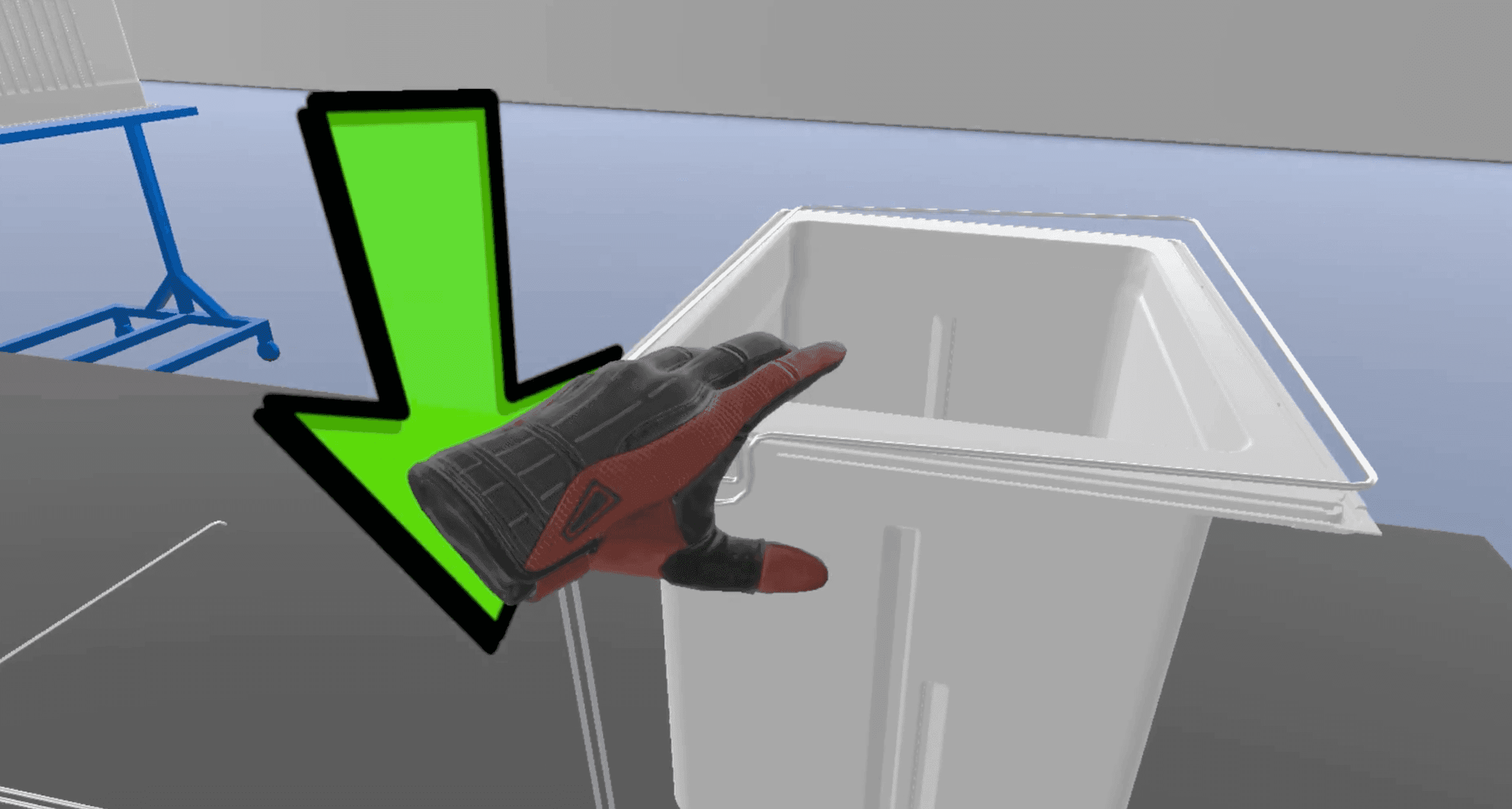
The employee sequentially installs the details according to the training scenario.
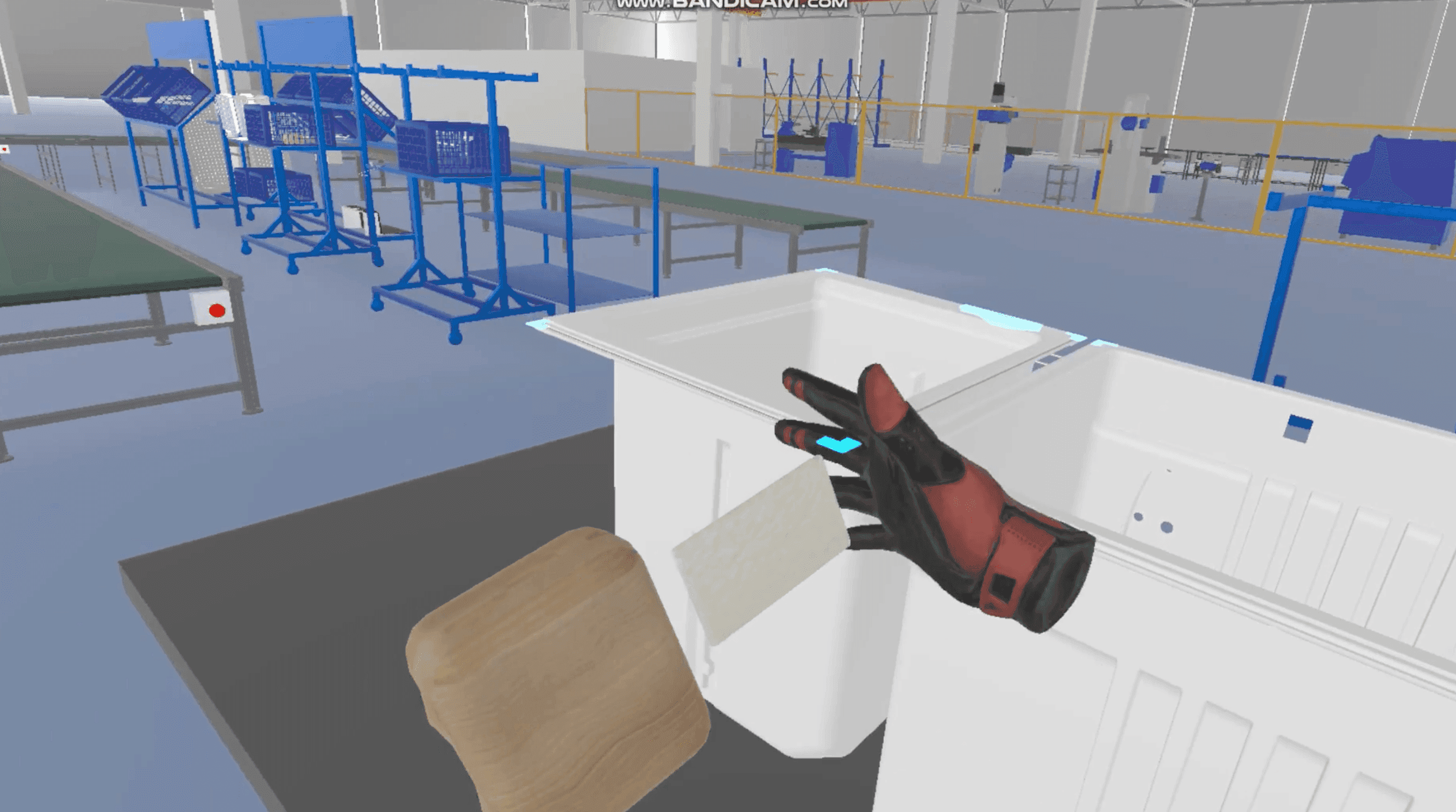
The user goes through the entire process until the assembled refrigerator model is ready.
What did VR simulation give?
The process is broken down into clear steps.
You can learn how to assemble various refrigerators.
Difficult stages can be repeated.
Training does not require permanent occupation of a real production line.
Defining goals, studying the audience, forming requirements and setting tasks. This helps to understand what the business needs and what results are expected.
Creating the solution architecture, thinking through user scenarios, interfaces and logic. At this stage the 'framework' of the future product is formed.
Programming the server and client parts, connecting databases, integrating with external services. This is where the idea turns into a working product.
Checking functionality, performance, compatibility and security. Fixing bugs before the product reaches users.
Deploying the product (for example, publishing in stores or launching on servers), configuring the environment and starting marketing or internal processes.
Updating functionality, adapting to new business tasks, fixing bugs and keeping the product up-to-date.
 01
01 02
02 03
03 04
04 05
05 06
06 07
07 08
08 09
09 10
10 11
11 12
12 13
13 14
14 15
15 16
16 17
17 18
18 19
19We build enterprise solutions using a powerful, proven, and
versatile tech stack designed for performance, scalability, and
security. Our expertise spans
















We will propose a suitable structure and prepare the first sketch of your future project — with no obligation to start development.
You get a visual concept you can discuss with your team.

He will review your project and business objective, prepare recommendations and the first sketch.
An honest conclusion.If the solution can be improved without a full rebuild, we will tell you so.